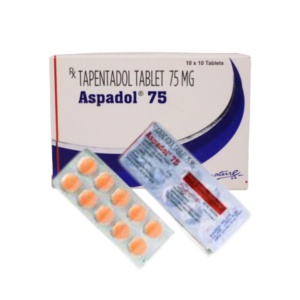
Tapentadol 75mg is a prescription-only, centrally-acting analgesic indicated for the management of moderate to severe acute or chronic pain, including neuropathic pain, when continuous opioid treatment is required. This intermediate strength is often prescribed after a patient has been stabilized on lower doses such as 50mg. When you buy Tapentadol 75mg tablets online USA, you are considering a medication that requires strict medical oversight and a valid prescription from a licensed healthcare provider. This page provides general educational information only. Consult your doctor to determine if this strength is clinically appropriate for your specific medical condition and history.
Buy Tapentadol 75mg Tablets Online USA: Comprehensive Information for Responsible Use
For adults seeking to buy Tapentadol 75mg tablets online USA, understanding the role of this intermediate strength in a pain management plan is essential before making any decisions. Tapentadol 75mg is available in both immediate-release and extended-release formulations, depending on the specific product prescribed, and belongs to the class of centrally-acting opioid analgesics. The medication is indicated for the management of moderate to severe acute pain in adults, as well as severe chronic pain that requires continuous, around-the-clock opioid treatment for an extended period. The 75mg strength occupies an important position in the dosing spectrum, typically prescribed for patients who have already been initiated on a lower strength such as 50mg and have demonstrated both adequate pain relief and acceptable tolerability, but require additional analgesic effect. It may also be used as a starting dose for patients who have previously taken other opioids and have some degree of tolerance, though always under careful medical supervision. When you order Tapentadol 75mg online discreet shipping from a legitimate, licensed US-based pharmacy, you gain access to a controlled substance that must be handled with respect for its potential benefits and significant risks. This content is strictly educational and does not replace an in-person or telehealth evaluation by a licensed healthcare provider. No legitimate online transaction should proceed without an active, valid prescription issued specifically for you based on a proper medical evaluation.
Key Benefits of Tapentadol 75mg for Moderate to Severe Pain
For patients who have been appropriately prescribed this medication by a physician following a thorough evaluation, Tapentadol 75mg offers several distinct pharmacological advantages. The dual mechanism of action, combining mu-opioid receptor agonism with norepinephrine reuptake inhibition, provides pain relief through two synergistic pathways, which may offer improved efficacy for certain types of pain, particularly neuropathic pain conditions such as diabetic peripheral neuropathy or postherpetic neuralgia. The 75mg strength represents a middle option between the 50mg starting dose and the 100mg maximum single dose for immediate-release formulations, allowing physicians to fine-tune pain control with greater precision. Many healthcare providers appreciate that Tapentadol has no active metabolites, meaning its effects are more predictable and less dependent on liver enzyme function compared to prodrug opioids like tramadol or codeine. From a clinical perspective, some studies suggest that Tapentadol may have a lower incidence of certain gastrointestinal side effects such as nausea and constipation compared to equianalgesic doses of traditional opioids, although individual responses vary significantly. For patients, the primary benefit when using the appropriate strength is often improved functional capacity—the ability to engage more fully in physical therapy, maintain employment, participate in family activities, or achieve better sleep quality with less pain-related awakening. However, these potential benefits are not guaranteed and must be weighed against the known risks of opioid therapy, including dependence, tolerance, and respiratory depression. This medication is never intended for minor, temporary pain conditions that can be managed with non-opioid alternatives such as acetaminophen, ibuprofen, or naproxen.
How Tapentadol 75mg Works Within the Central Nervous System
Tapentadol 75mg works through two complementary and synergistic mechanisms that together modify pain perception at the level of the central nervous system, without requiring metabolic conversion by liver enzymes. The first mechanism involves selective agonist activity at the mu-opioid receptor. When the tablet is ingested, absorbed through the gastrointestinal tract, and distributed via the bloodstream, Tapentadol crosses the blood-brain barrier and binds to mu-opioid receptors located on presynaptic and postsynaptic nerve cells within the brain, brainstem, and spinal cord. This binding triggers a cascade of intracellular events that ultimately inhibit the release of several excitatory neurotransmitters, including substance P and glutamate, which are responsible for transmitting pain signals from peripheral nerves to higher brain centers where pain is consciously perceived. By reducing the release of these neurotransmitters, Tapentadol effectively raises the threshold for pain perception and decreases the intensity of pain signals that do reach the brain. The second mechanism is norepinephrine reuptake inhibition. Tapentadol blocks the norepinephrine transporter protein, which is responsible for removing norepinephrine from the synaptic cleft. This results in increased levels of norepinephrine available to bind to alpha-2 adrenergic receptors on descending inhibitory neurons. Activation of this descending pathway actively suppresses pain transmission at the spinal cord level, essentially telling the body to turn down the volume on incoming pain signals. The dual mechanism is important because it allows Tapentadol to achieve effective pain relief at lower mu-opioid receptor occupancy than traditional opioids, which in theory may contribute to a different side effect profile. For the 75mg strength specifically, this dose provides a moderate level of both receptor activation and norepinephrine reuptake inhibition, placing it between the lower 50mg dose and the higher 100mg dose in terms of overall analgesic effect.
How to Safely Use Tapentadol 75mg Tablets
General usage guidance for Tapentadol 75mg emphasizes that the specific instructions provided by your prescribing physician supersede any general information, as the immediate-release and extended-release versions have different administration requirements. If you have been prescribed immediate-release Tapentadol 75mg tablets, these are typically intended to be taken every four to six hours as needed for breakthrough or scheduled pain, but never more frequently or in larger amounts than prescribed. You should swallow the tablet whole with a full glass of water, and you may take it with or without food according to your personal tolerance, as food may reduce nausea in some individuals. It is critically important that you do not crush, chew, dissolve, or split the tablet, as doing so destroys the controlled-release mechanism for extended-release versions or, for immediate-release tablets, can lead to too-rapid absorption and potentially toxic peak blood levels. For extended-release Tapentadol 75mg, the tablet must be swallowed whole and taken exactly every twelve hours at the same times each day, regardless of whether you are currently experiencing pain, because this formulation is designed for around-the-clock pain management. Never adjust your dose, frequency, or timing without explicit instruction from your physician, even if you feel that the current dose is not providing adequate relief or is causing troublesome side effects. If you miss a dose of extended-release Tapentadol, take it as soon as you remember unless it is within four hours of your next scheduled dose; in that case, skip the missed dose entirely and resume your regular schedule. Never double up on doses to make up for a missed one. Do not suddenly discontinue Tapentadol 75mg after regular use, as physical dependence typically develops within days to a few weeks of continuous use. Abrupt cessation can precipitate a withdrawal syndrome characterized by restlessness, lacrimation, rhinorrhea, yawning, sweating, chills, myalgias, mydriasis, insomnia, nausea, vomiting, diarrhea, and anxiety. Your physician will provide a structured tapering schedule to gradually reduce your dose when it is time to stop treatment. Store Tapentadol securely in a child-resistant container at room temperature away from moisture, heat, and light, and consider using a lockable medication box if there are children, visitors, or vulnerable individuals in your home. Never share this medication with anyone else, regardless of whether they report similar symptoms, as this is both illegal and potentially fatal.
Who Can Use Tapentadol 75mg
Tapentadol 75mg is intended for adults aged eighteen years and older who have undergone a comprehensive medical evaluation by a licensed healthcare provider and have been diagnosed with moderate to severe acute pain or, for extended-release formulations, severe chronic pain requiring continuous, long-term opioid treatment. The 75mg strength is typically not a starting dose for opioid-naive patients, meaning individuals who have not taken any opioid medication within the past seven days or longer. Instead, it is generally prescribed after a patient has been initiated on a lower strength, such as 50mg, and has demonstrated both adequate analgesic response and acceptable tolerability but still requires additional pain relief. It may also be an appropriate starting dose for patients who are transitioning from another opioid medication, although dose conversion requires careful calculation due to incomplete cross-tolerance between different opioid analgesics. Appropriate candidates for Tapentadol 75mg typically have already tried and found inadequate first-line non-opioid treatments, including nonsteroidal anti-inflammatory drugs, acetaminophen, and non-pharmacological interventions such as physical therapy, nerve blocks, or cognitive behavioral therapy for pain. Certain patient populations should generally avoid Tapentadol or require extremely cautious use with close monitoring. These include individuals with significant respiratory depression, acute or severe bronchial asthma, hypercapnia, known or suspected paralytic ileus, any gastrointestinal obstruction or narrowing, or a history of severe hypersensitivity to Tapentadol or any other opioid. Patients with a personal or family history of substance use disorder, including alcohol or other drug dependence, require a careful risk-benefit assessment and often benefit from additional safeguards such as a written opioid treatment agreement, periodic urine drug screening, unscheduled pill counts, and regular review of state prescription drug monitoring program data. Geriatric patients over sixty-five years of age, those with hepatic impairment, reduced renal function (creatinine clearance below 30 mL/min), hypothyroidism, Addison’s disease, prostatic hypertrophy, urethral stricture, or central nervous system depression require lower starting doses, longer dosing intervals, or more frequent monitoring due to increased sensitivity and slower metabolism. Tapentadol is generally not recommended during pregnancy due to the well-documented risk of neonatal opioid withdrawal syndrome, which can be life-threatening to the newborn, nor during breastfeeding due to the potential for infant sedation, poor feeding, and respiratory depression.
Critical Safety Information and Warnings for Tapentadol 75mg
Tapentadol 75mg carries a boxed warning, which is the most serious safety warning issued by the United States Food and Drug Administration, regarding the significant risks of addiction, abuse, misuse, life-threatening respiratory depression, accidental ingestion, and neonatal opioid withdrawal syndrome. Respiratory depression is the most dangerous potential adverse effect and is characterized by slow, shallow, or ineffective breathing that can lead to hypoxia, brain injury, coma, and death if not immediately recognized and treated with the opioid antagonist naloxone. This risk is highest during the initiation of therapy, following any dose increase, or when Tapentadol is used concurrently with other central nervous system depressants. Concomitant use of Tapentadol with benzodiazepines, alcohol, barbiturates, sedative-hypnotics, anxiolytics, muscle relaxants, general anesthetics, antipsychotics, or sedating antihistamines creates additive or synergistic central nervous system and respiratory depressant effects that can be rapidly fatal. Alcohol must be avoided entirely throughout treatment with Tapentadol. Tapentadol also carries a risk of serotonin syndrome when combined with serotonergic medications including selective serotonin reuptake inhibitors, serotonin-norepinephrine reuptake inhibitors, monoamine oxidase inhibitors, tricyclic antidepressants, triptans, linezolid, methylene blue, or St. John’s Wort. Serotonin syndrome is a potentially life-threatening condition with symptoms including agitation, confusion, hallucinations, rapid heart rate, labile blood pressure, dilated pupils, muscle rigidity, hyperreflexia, clonus, shivering, fever, and gastrointestinal distress. If you experience any of these symptoms, seek emergency medical care immediately. Other serious risks include adrenal insufficiency, characterized by persistent fatigue, weakness, nausea, vomiting, low blood pressure, and electrolyte abnormalities; severe hypotension with orthostatic dizziness, fainting, or falls; and opioid-induced hyperalgesia, a paradoxical condition where continued opioid use increases rather than decreases pain sensitivity. Patients with head injuries, intracranial lesions, or elevated intracranial pressure should not use Tapentadol due to the risk of increased intracranial pressure from carbon dioxide retention and cerebral vasodilation. Tapentadol can cause sleep-related breathing disorders, including central sleep apnea and sleep-related hypoxemia, which may persist even after medication discontinuation in some individuals. Always provide your complete medical history and a full list of all medications, including over-the-counter products, dietary supplements, and herbal preparations, to your physician before starting Tapentadol. You should also inform all healthcare providers involved in your care that you are taking Tapentadol, including dentists, emergency room physicians, and surgeons.
Understanding the Possible Side Effects of Tapentadol 75mg
Like all medications, Tapentadol 75mg can cause side effects, although not every individual will experience them and severity varies widely. The most commonly reported side effects in clinical trials and post-marketing surveillance include nausea, which occurs in approximately thirty percent of patients, constipation in about twenty-five percent, dizziness in twenty percent, drowsiness and somnolence in fifteen to twenty percent, headache in fifteen percent, vomiting in ten percent, fatigue in eight percent, and dry mouth in seven percent. Nausea and vomiting tend to be most prominent during the first several days of treatment or after any dose increase, and they often improve or resolve completely as the body adjusts to the medication. Taking Tapentadol with small amounts of bland food, such as crackers or toast, may help reduce nausea, but check with your doctor or pharmacist first. Constipation is a persistent effect of all mu-opioid receptor agonists that typically does not improve with continued use, making proactive management essential. Increase your dietary fiber and fluid intake, remain as physically active as your condition allows, and discuss with your pharmacist or doctor the appropriate use of stool softeners or osmotic laxatives before constipation becomes severe. Drowsiness and dizziness are particularly common when starting treatment, after dose increases, or when Tapentadol is taken with other central nervous system depressants. These effects generally improve within one to two weeks, but you should exercise extreme caution when driving, operating machinery, or engaging in any activity where drowsiness could lead to injury until you know how you respond to the medication. Less common side effects that warrant medical attention include significant confusion or cognitive slowing, hallucinations, seizures (especially in patients with pre-existing seizure disorders), difficulty or painful urination, severe abdominal distension or pain suggesting possible ileus, palpitations or irregular heartbeat, and any signs of allergic reaction such as skin rash, hives, itching, swelling of the face, lips, tongue, or throat, or difficulty breathing. Long-term use of Tapentadol has been associated with opioid-induced hypogonadism, which manifests as decreased libido, erectile dysfunction, anejaculation, fatigue, depression, and reduced bone density in some individuals. If you experience any side effect that is persistent, worsening, or interfering with your daily activities and quality of life, do not discontinue the medication abruptly, as withdrawal symptoms may occur. Instead, contact your prescribing physician promptly to discuss potential dose adjustment, medication change, or management strategies. For any symptoms suggestive of respiratory depression, including extremely slow breathing (fewer than eight breaths per minute), shallow breathing, blue or purple discoloration of the lips or fingernails, confusion, or difficulty arousing from sleep, call 911 immediately without waiting to see if symptoms improve.
Frequently Asked Questions About Tapentadol 75mg
Q. What is the typical Tapentadol 75mg dosage for an adult?
The typical Tapentadol 75mg dosage varies significantly based on whether you are taking immediate-release or extended-release tablets, your previous opioid exposure, the severity of your pain condition, and your individual response. For patients already stabilized on 50mg who require additional pain relief, a physician may increase the dose to 75mg every four to six hours as needed. For extended-release formulations, 75mg every twelve hours may be appropriate for patients who have been titrated from lower doses. However, your exact Tapentadol 75mg dosage must be determined exclusively by your prescribing physician. Never attempt to self-titrate or adjust your dose based on internet information.
Q. Can I order Tapentadol 75mg online discreet shipping without a prescription?
No. It is illegal and extremely dangerous to order Tapentadol 75mg online discreet shipping without a valid, current prescription from a US-licensed healthcare provider. When a pharmacy offers "discreet shipping," this refers only to plain, unmarked outer packaging that does not reveal the contents for privacy reasons. This is not an exemption from prescription requirements. Any website that does not request a prescription is violating federal and state laws and likely dispensing counterfeit or adulterated products.
Q. Is Tapentadol 75mg stronger than Tapentadol 50mg?
Yes, Tapentadol 75mg contains a higher dose of the active ingredient than the 50mg tablet and is therefore considered more potent. The 75mg strength is typically prescribed for patients who have already tried the 50mg dose and found it insufficient for adequate pain relief, or for patients with some pre-existing opioid tolerance. However, increasing the dose also increases the risk of side effects, respiratory depression, and the potential for dependence. Never take the 75mg strength unless specifically prescribed by your physician.
Q. How long does Tapentadol 75mg take to work?
For the immediate-release formulation of Tapentadol 75mg, pain relief typically begins within thirty to sixty minutes after oral administration, with peak effects occurring approximately one to two hours after taking the tablet. The duration of relief is generally four to six hours. For the extended-release formulation, steady-state blood levels and consistent pain relief usually require two to three days of regular twice-daily dosing. Neither formulation is intended for the immediate rescue treatment of acute severe pain beyond the prescribed indication.
Q. Can I take Tapentadol 75mg with my other medications?
This depends entirely on what other medications you are taking. Tapentadol has dangerous, potentially fatal interactions with central nervous system depressants including benzodiazepines such as Xanax and Valium, alcohol, sleep aids, muscle relaxants, and some psychiatric medications. It also has serious interactions with serotonergic medications. You must provide your physician with a complete list of all prescription drugs, over-the-counter products, vitamins, and supplements before starting Tapentadol. Never start any new medication while taking Tapentadol without first checking with your doctor or pharmacist.
Q. What should I do if I experience severe nausea from Tapentadol 75mg?
Mild to moderate nausea is common, but if it becomes severe or persistent, do not stop the medication abruptly. Contact your prescribing physician, who may recommend taking the medication with food, adjusting the timing of doses, prescribing an anti-nausea medication such as ondansetron, reducing the dose, or switching to a different analgesic. Do not take over-the-counter anti-nausea products without consulting your pharmacist, as some may interact with Tapentadol or worsen certain side effects.
Q. Is it safe to drive while taking Tapentadol 75mg?
Not until you know how Tapentadol affects you personally. This medication causes drowsiness, dizziness, blurred vision, and slowed reaction times in many individuals, especially during the first one to two weeks of treatment or after any dose increase. These effects significantly impair your ability to drive or operate heavy machinery. You should avoid driving and other hazardous activities until you are confident that Tapentadol does not impair your alertness or coordination. Even then, use caution, as impairment can be unpredictable.
Proceed with Informed Confidence Regarding Tapentadol 75mg
Making responsible, informed decisions about prescription pain medication requires accurate information, professional guidance, and a clear understanding of both benefits and risks. If you and your physician have determined, following a thorough medical evaluation, that Tapentadol 75mg is an appropriate component of your pain management plan, you may choose to buy Tapentadol 75mg tablets online USA through a verified, licensed pharmacy that prioritizes patient safety. Before you order Tapentadol 75mg online discreet shipping, take the time to verify that the pharmacy displays its physical address, state pharmacy license number, and contact information for a licensed pharmacist. When your medication arrives, check that the packaging is intact, the tablets match the description, and the labeling includes your name, the prescribing physician’s name, the medication name and strength, and appropriate expiration date. Store the medication securely in a location inaccessible to children, visitors, or anyone with a history of substance misuse, and consider using a medication lockbox. Never share any portion of your prescription with another person, regardless of their circumstances. Remember that pain management is most effective when integrated with regular medical follow-up appointments, realistic functional goals, and attention to non-pharmacological approaches such as physical therapy, psychological support, stress reduction, sleep hygiene, and appropriate physical activity. If at any point you experience worsening pain, new or concerning side effects, changes in mood or thinking, or any thoughts of self-harm, contact your prescribing physician immediately or seek emergency care. Never adjust your dose, change your schedule, or stop taking Tapentadol without first discussing it with your doctor. Your safety depends on full disclosure, careful adherence to your prescribed regimen, and an honest, ongoing partnership with qualified healthcare professionals. Avoid all unregulated sources of medication, including social media, online marketplaces, and international sites that do not require a valid prescription, as the risks of counterfeit, contaminated, or mislabeled products are unacceptably high. Choose safety, choose transparency, and choose a trusted partner for your healthcare needs.
Disclaimer: This content is for general educational purposes only and does not constitute medical advice, diagnosis, or a prescription. Always consult a licensed healthcare provider for any health concerns or before starting, stopping, or changing any medication. This information does not establish a doctor-patient relationship. If you are experiencing a medical emergency, including symptoms of respiratory depression, severe allergic reaction, or thoughts of harming yourself or others, call 911 immediately or go to the nearest emergency room.
Showing the single result